Natural Remedies for Blood Pressure: What Works?
Herbs, juices and "natural" supplements are often promoted for high blood pressure. A few have measurable but small effects, most have little evidence, and some can be harmful or interact with your medication. Here is the evidence for the remedies people ask about most — in one place.
Never stop or reduce prescribed blood pressure medication in favor of a herb. Supplements are not regulated like medicines: strength and purity vary, and several of the remedies below interact with heart, blood-thinning or diabetes drugs. Tell your doctor or pharmacist about anything you take. During pregnancy and breastfeeding, avoid herbal supplements unless your doctor agrees.
At a glance
| Remedy | Effect on blood pressure | Evidence | Main caution |
|---|---|---|---|
| Beetroot juice | about −4 to −5 mmHg systolic, short term | moderate (many small trials) | kidney stones (oxalate) |
| Hibiscus tea | a few mmHg | moderate (small trials) | may add to drug effects |
| Celery | unknown in people | very weak | none as food |
| Hawthorn | small, uncertain | weak for BP | digoxin, beta blockers, nitrates |
| Ginseng | none to −3 mmHg; sometimes up | mixed | warfarin, diabetes drugs, MAOIs |
| Mistletoe | not shown | very weak | berries and leaves are poisonous |
| Stinging nettle | small, uncertain | weak | diuretics, lithium, warfarin |
| Rauwolfia | real (contains reserpine) | strong — but replaced by safer drugs | depression, ulcers; not advised |
| Passion flower | not shown | very weak | sedatives, pregnancy |
| Lavender | small, short-term (stress) | weak | skin irritation from oil |
| Rosemary | not shown | very weak | high-dose oil in pregnancy and epilepsy |
For comparison: proven lifestyle changes lower systolic pressure by about 5–11 mmHg each — see 5 quick and easy ways to lower your blood pressure.
Beetroot juice
Beets are rich in nitrate, which mouth bacteria and the body convert into nitric oxide, a molecule that relaxes blood vessels. In short trials, about 250 ml (a glass) of beetroot juice a day lowered systolic blood pressure by roughly 4–5 mmHg, with the largest effect a few hours after drinking. Antiseptic mouthwash blunts the effect. Red or pink urine afterwards is harmless. People who form kidney stones should be careful because beets are high in oxalate. Leafy greens such as spinach and arugula provide nitrate too.
Celery
Celery contains potassium, some nitrate and phthalides (3-n-butylphthalide), which relax blood vessels in animal studies. There are no good human trials showing that celery or celery juice lowers blood pressure. As a vegetable it is a fine part of a blood-pressure-friendly diet — the "celery juice cure" is hype.
Hawthorn
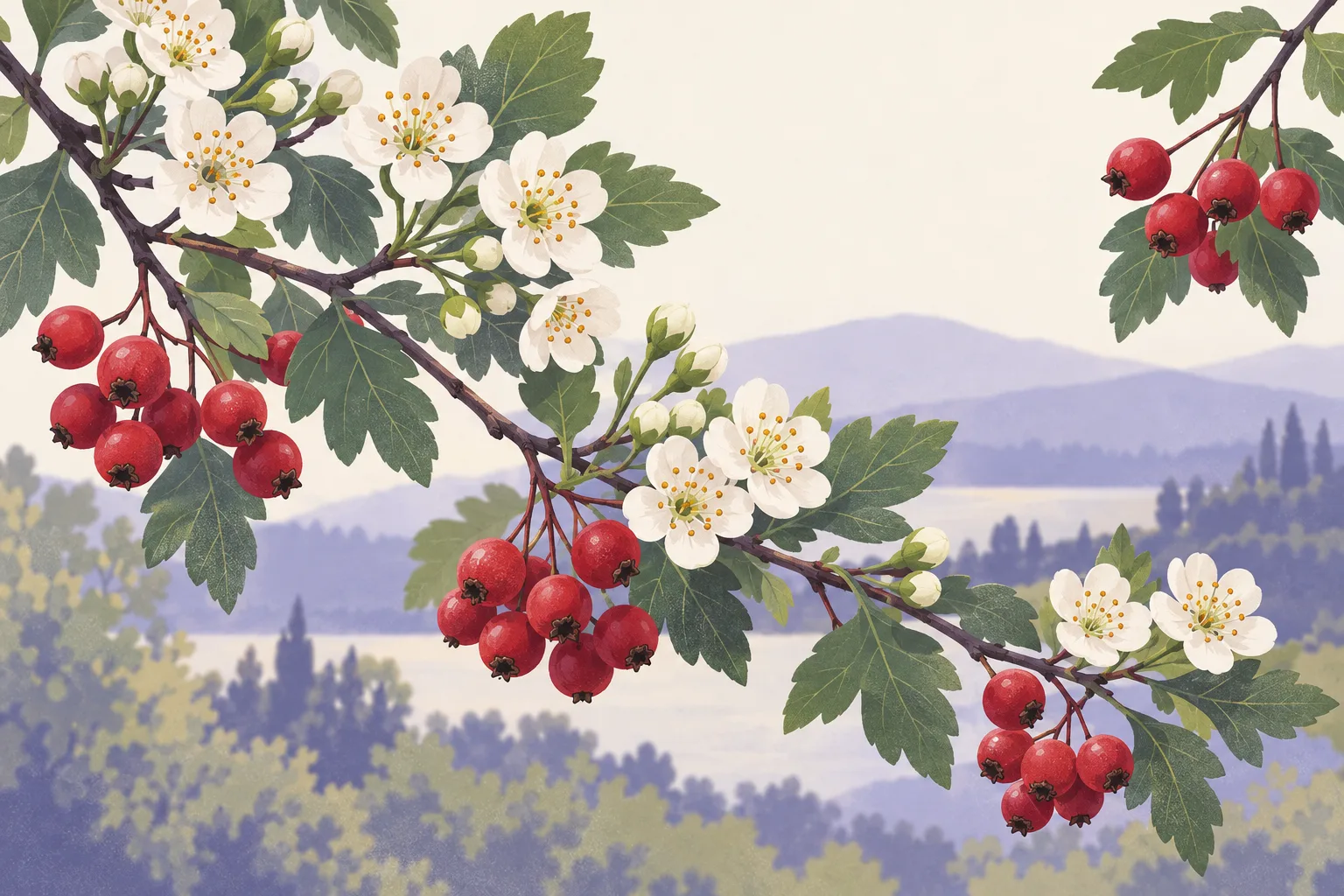
Hawthorn (Crataegus) leaf-and-flower extracts are mostly studied in mild heart failure, where small trials found modest improvements in symptoms. Effects on blood pressure are small and inconsistent. Hawthorn can add to the effects of digoxin, beta blockers, calcium channel blockers and nitrates, so it should only be used with your doctor's knowledge.
Ginseng
"Ginseng" covers different plants (Asian Panax ginseng, American Panax quinquefolius, Siberian Eleutherococcus). Meta-analyses found no overall effect or very small reductions of 1–3 mmHg, and some people see increases. Ginseng can weaken warfarin, lower blood sugar together with diabetes drugs and interact with MAO inhibitors; it can also cause insomnia and nervousness. Not a blood pressure remedy.
Mistletoe
European mistletoe (Viscum album) was a traditional European remedy for high blood pressure, but there is no reliable evidence that it works. Its berries and leaves contain toxic lectins and viscotoxins — teas and homemade preparations can cause vomiting, slow heart rate and low blood pressure. Today mistletoe extracts are used only as injections in complementary cancer care, not for hypertension. Do not use it for blood pressure.
Stinging nettle
Nettle leaf has a mild diuretic effect and lowered blood pressure in animal studies; human evidence is thin. It may add to the effect of diuretics and blood pressure drugs, raise lithium levels and, because it contains vitamin K, interfere with warfarin. Avoid it in pregnancy.
Rauwolfia (Indian snakeroot)
Rauwolfia is the one herb here that clearly lowers blood pressure: its alkaloid reserpine was one of the first modern blood pressure drugs. It was largely abandoned because of side effects — depression (sometimes severe), nasal congestion, drowsiness, stomach ulcers and a slow heart rate. Herbal rauwolfia products have unpredictable reserpine content. Modern medicines are safer and more effective; rauwolfia supplements are not advised.
Passion flower
Passion flower is used for anxiety and sleep, with small studies showing mild calming effects. There is no meaningful evidence for blood pressure. It can add to the effect of sedatives, sleep medicines and alcohol, and it should be avoided in pregnancy. Better-proven ways to reduce stress-related spikes: regular exercise, slow breathing and enough sleep.
Lavender
Lavender aromatherapy lowered heart rate and blood pressure slightly for short periods in stressful situations in some small studies, and an oral lavender oil preparation has evidence for anxiety. It is not a treatment for hypertension. Essential oil can irritate the skin and should not be swallowed except as a licensed product.
Rosemary
Rosemary is traditionally used for low blood pressure and fatigue rather than high blood pressure; evidence either way is very limited. As a kitchen herb it is safe and a great way to replace salt. Concentrated oil and high doses should be avoided in pregnancy and by people with epilepsy.
What actually works
The changes with the best evidence are less salt, more potassium-rich food, the DASH eating pattern, regular exercise, weight loss and less alcohol — together they can match a medication. See how salt affects blood pressure and exercise. If your readings stay at 140/90 or above, talk to your doctor about treatment.
Check a blood pressure reading
Related guides
- Which Tea Lowers Blood Pressure? Hibiscus & More
- Measuring Blood Pressure Correctly: Step by Step
- 5 Quick and Easy Ways to Lower Your Blood Pressure
General information, not medical advice. Talk to your doctor before changing your diet, exercise or medication. In an emergency, call 911 (US) or your local emergency number.