What affects blood pressure
Age, salt, alcohol, coffee, smoking and exercise all move your blood pressure — some for minutes, some for years. This section covers how large each effect is and which ones you can change.
 How Does Age Affect Blood Pressure?Why systolic blood pressure rises with age while diastolic falls after 60, typical readings by age group, and why "normal for your age" is a myth.
 How Does Alcohol Affect Blood Pressure?Alcohol raises blood pressure in a dose-dependent way. What happens short and long term, how much cutting back lowers it and safe limits.
 How Does Coffee Affect Blood Pressure?Caffeine briefly raises blood pressure, but regular coffee drinkers adapt. What the studies show, energy drinks, and when to measure after coffee.
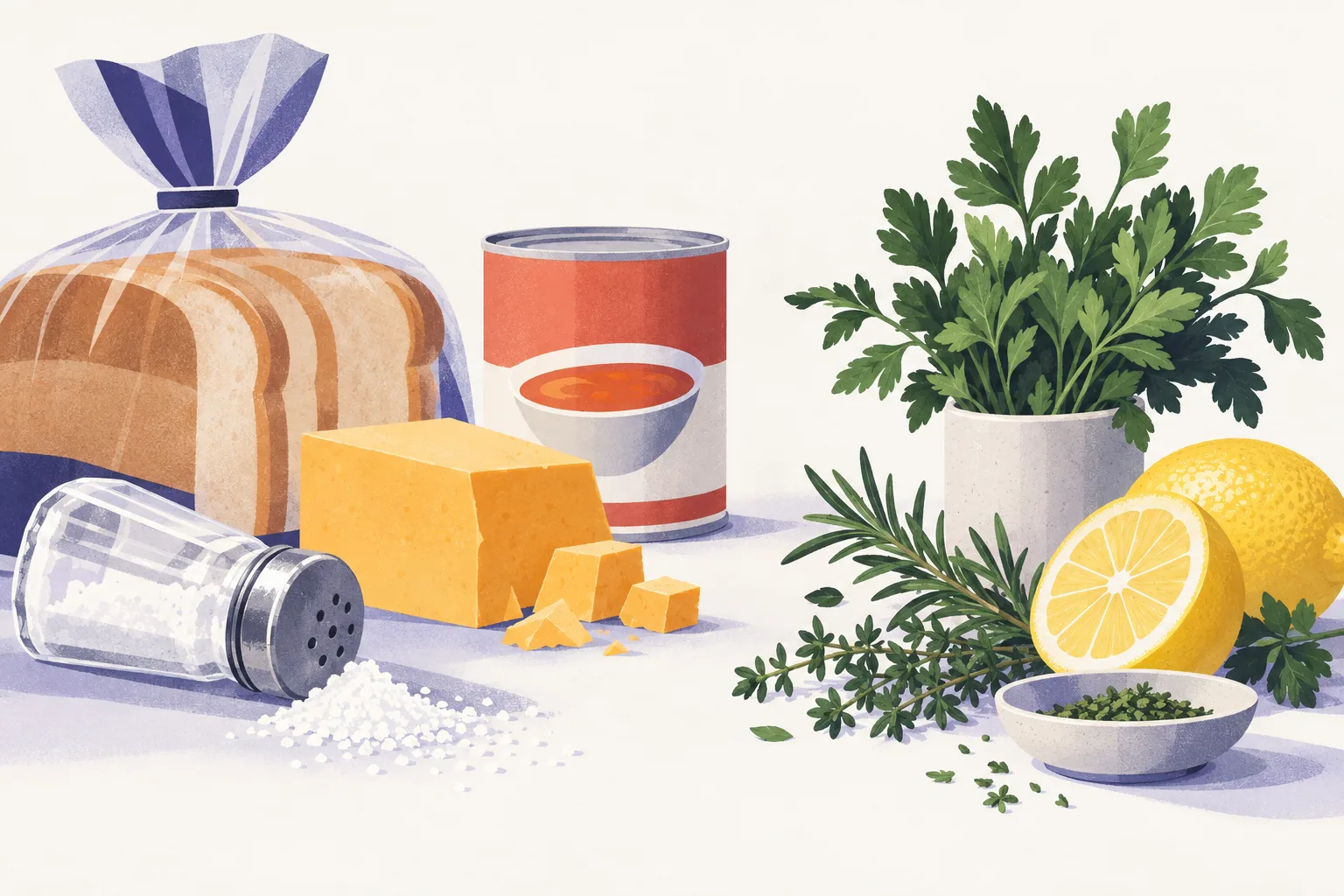 How Does Salt Affect Blood Pressure?Why sodium raises blood pressure, salt sensitivity, recommended limits, where the hidden salt is — and how potassium salt substitutes help.
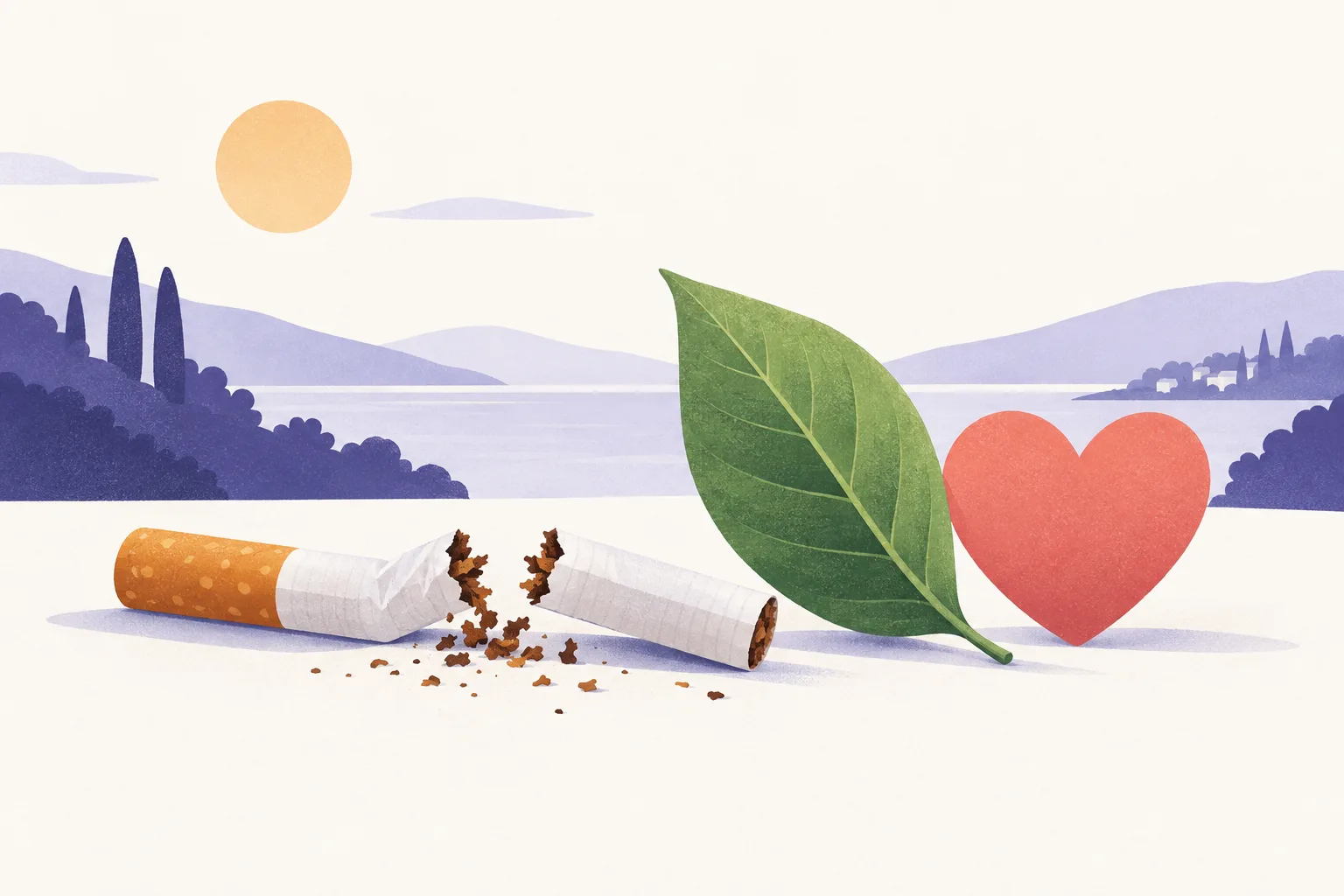 How Does Smoking Affect Blood Pressure?Each cigarette raises blood pressure and heart rate for a while; long term, smoking multiplies the damage of hypertension. Vaping, nicotine and quitting.
 How Does Exercise Affect Blood Pressure?Blood pressure rises during exercise and falls afterwards — and regular training lowers resting blood pressure. Best types, amounts and safety tips.